Eurovision 2026: The Playlist is Getting Longer

Before you read this post about Eurovision 2026, I encourage
you to have a look at my statement on this year’s contest.
As we enter the month of March, the Eurovision news is still
coming in thick and fast, with more and more countries choosing their
representatives for this year’s contest in Vienna. Let’s have a look back at
everything that has happened over the last fortnight.
Firstly, the United Kingdom surprised many Eurovision
fans, including myself, by announcing its artist seemingly out of the blue on a
random Tuesday morning. The BBC has selected YouTuber and indie musician Look
Mum No Computer (real name Sam Battle) to represent the country in May,
with his song to be released in due course. This is certainly a more left-field
decision than we are used to seeing from the UK, and a lot of fans had
definitely been wishing for a more ‘alternative’ entry, so hopefully the song
itself will not disappoint.
 |
| Look Mum No Computer will represent the UK in Vienna. |
Also holding an internal selection was Flemish broadcaster
RTBF, representing Belgium. Last week, it was announced that
singer-songwriter (and former The Voice Belgique finalist) Essyla
will sing for Belgium at Eurovision this year, performing “Dancing on the
Ice”. The song was presented to the public alongside the official music video,
which was released on the Eurovision YouTube channel. We have yet to hear
Essyla perform the song live, though we do know that she will be performing at Eurovision
in Concert in April, so can look forward to that.
Host country Austria held a national final to choose
its Eurovision entry for the first time since 2016. Vienna Calling was hosted
by Alice Tumler (host of Eurovision 2015 in Vienna) and 2018 Austrian
representative Cesár Sampson. Twelve songs competed in the final, and the
results were decided by a combination of a public vote and the votes of a
43-member jury panel. The honour of representing Austria on home soil
eventually went to Cosmó, who won the televote and
finished second with the jury. He will perform the song “Tanzschein” in
May, and will be hoping to replicate some of JJ’s success.
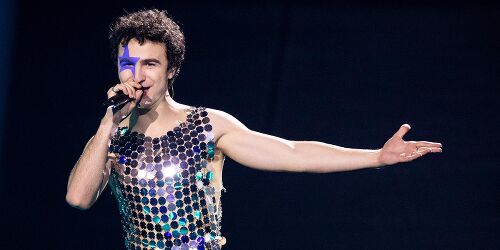 |
| Cosmó is this year's Eurovision host entry. |
National selection Eurovizija.LT has also concluded in Lithuania,
where, after five heats and an online wildcard round, Lion Ceccah was
selected as the winner with “Sólo quiero más”.
Eleven songs qualified for the final, where a combination of jury and public
votes was used to determine the results. Lion Ceccah finished second with the
jury but won the televote convincingly. The voting actually resulted in a tie, but
precedence was given to the televote in that situation.
Back in January, Bulgaria selected Dara as its artist
for Eurovision 2026, and on Saturday, the country was asked to choose which
song she would perform to mark the country’s return to the competition. Dara
performed three brand-new songs written specifically for Eurovision in a show
which included guest performances from Eva Marija, Senhit and Deep Zone Project,
Bulgaria’s representatives from Eurovision 2008. In the end, the televote and a
ten-member jury panel unanimously chose “Bangaranga” as this year’s Bulgarian
entry, with the song receiving almost 90% of the public vote.
Continuing the ‘Super Saturday’ to end all Super Saturdays, Norway
selected its Eurovision entry for this year through the country’s traditional
national final Melodi Grand Prix. The final included nine entries, one of which
was selected by the public through a radio competition with participants
including last year’s Irish artist Emmy and other familiar faces including
Gothminister and Raylee. Among the finalists was Eurovision legend Alexander
Rybak, as well as 2024 MGP artist Mileo, but in the end, both the jury vote and
televote were won by Jonas Lovv and his song “Ya Ya Ya”.
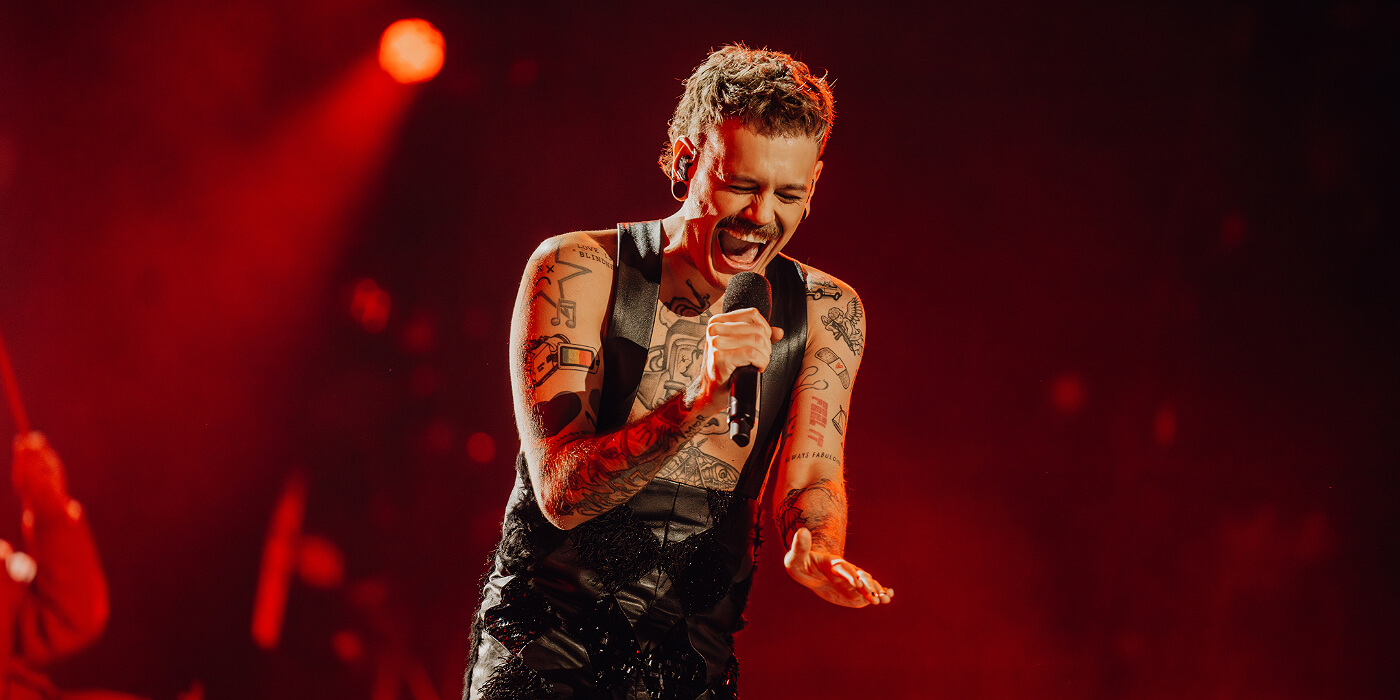 |
| Jonas Lovv will represent Norway at Eurovision 2026. |
Finland has also chosen its representative for
Vienna, with UMK once again being used as the country’s national final. The show
really has gone from strength to strength in recent years, and is often one of
the strongest national selections out there. This year was no different, with
the quality of the production and calibre of the competing songs both being
absolutely incredible, but in the end it was absolutely no contest, with Linda
Lampenius and Pete Parkkonen winning the selection in a landslide greater than
that of Käärijä
in 2023. They will take the song “Liekinheitin” to Eurovision, and will
be aiming to continue Finland’s excellent record at the contest in recent years.
Another country with a brand-new Eurovision entry is Germany,
where Das Deutsche Finale was held at the weekend. The show was hosted by Barbara
Schöneberger
alongside host of Eurovision 2025 Hazel Brugger, and featured nine competing
songs. In the first round, an international jury of 20 people selected three
songs to advance to the second round, where the winner was chosen solely through
a public vote. This resulted in Pop Idol alumna Sarah Engels
winning the ticket to Eurovision with the song “Fire”. She will, of
course, be performing the song in the Eurovision final as Germany is a member
of the ‘Big Four’.
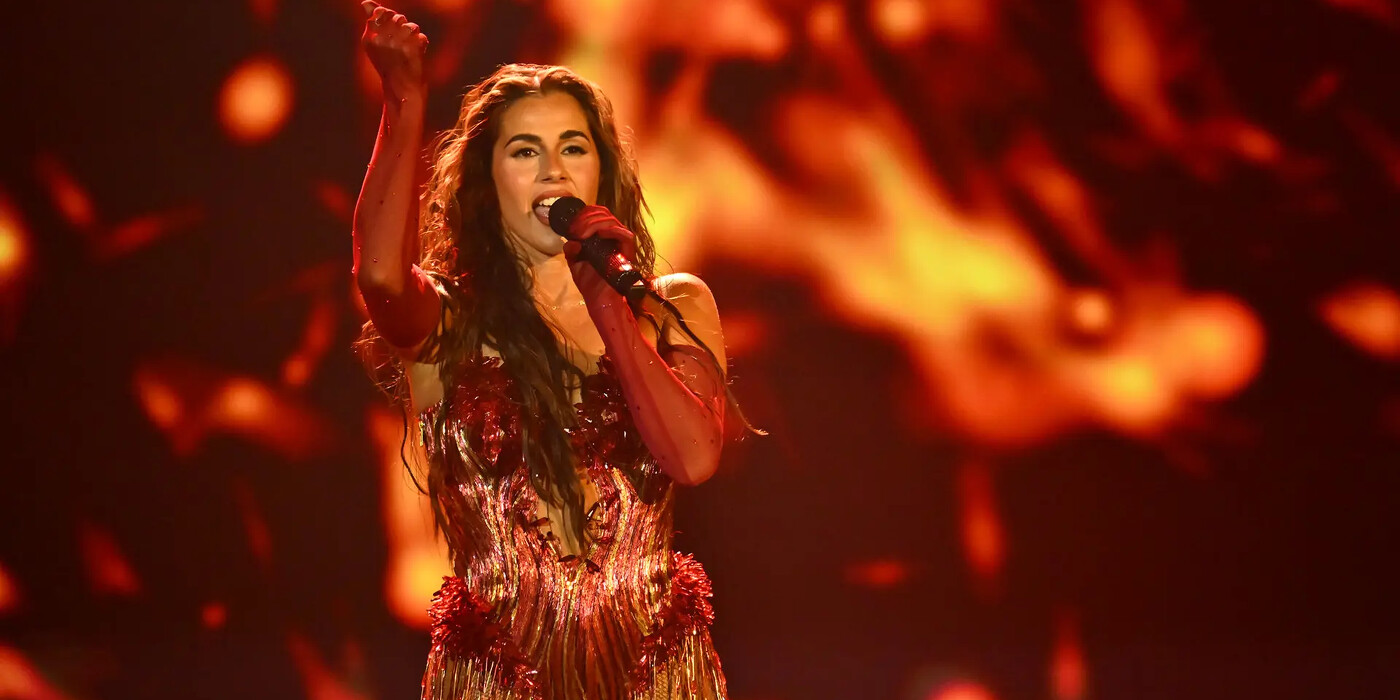 |
| Pop Idol star Sarah Engels will head to Eurovision for Germany. |
Serbia also held its national selection last weekend,
with Pesma za Evroviziju once again being used to choose the country’s
Eurovision entry. This year, the 24 participating artists included Mirna
Radulović,
who represented Serbia at Eurovision 2013 as part of Moje 3, as well as several
artists returning to the national selection, including last year’s runners-up
Harem Girls. Two semi-finals were held to whittle down the field to 14
finalists, and both the jury vote and televote were won by Lavina with “Kraj
mene”. The group will hope to bring Serbia back to the final after its
failure to qualify last year.
Rounding out Saturday’s selections was Italy, where
the Sanremo Music Festival came to its conclusion. Whilst not strictly a
Eurovision selection show, it functions as a de facto national final as
the winner is given right of first refusal to represent Italy at the contest.
The festival took place, as usual, over the course of five (long) evenings,
including the traditional ‘covers night’. Five of the thirty competing songs
qualified for the superfinal, where Sal Da Vinci was selected as the
champion with the song “Per sempre sì”, which he will perform
in this year’s Eurovision final.
And the latest of this year’s Eurovision entries comes from
the contest’s newest nation, Australia. For the fourth consecutive year,
broadcaster SBS opted for an internal selection, and this year it is
singer-songwriter and TV personality Delta Goodrem who will be representing
the country, with the song “Eclipse”. When she performs in the city
where Australia made its Eurovision debut in 2015, she will be aiming to bring
the country back to the final for the first time since 2023.
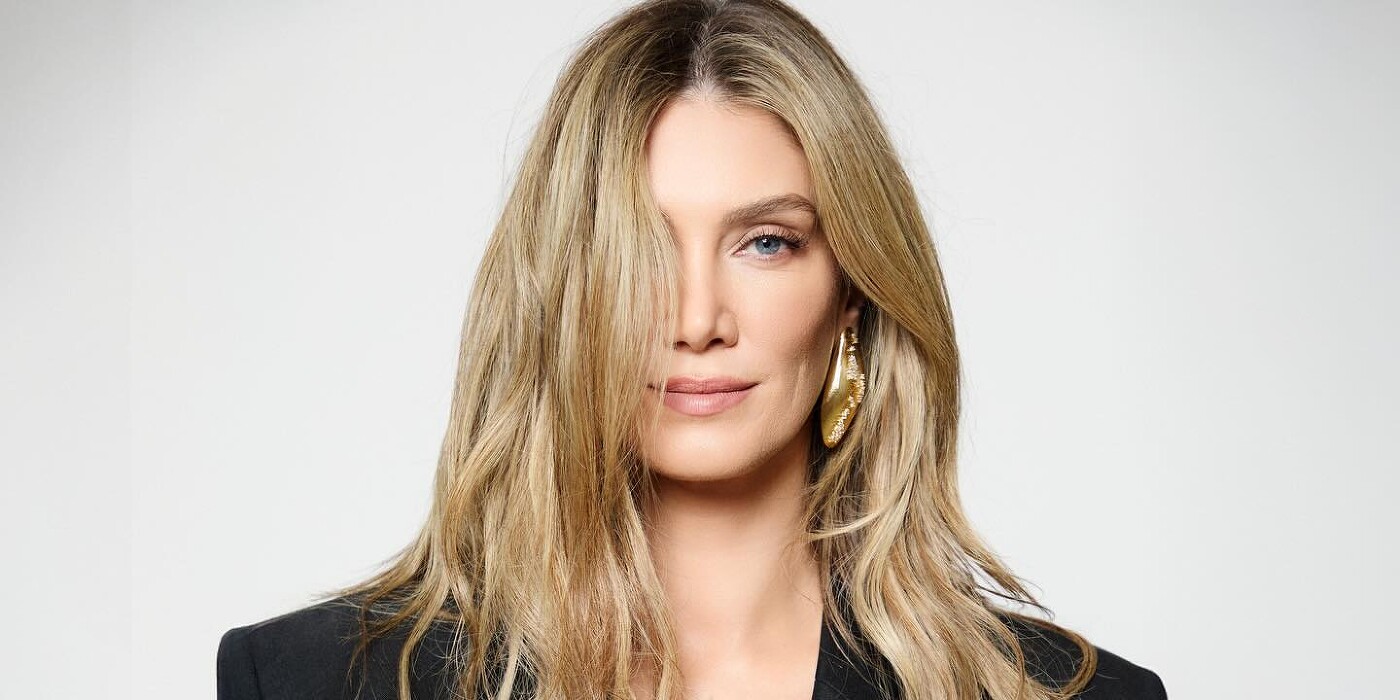 |
| Delta Goodrem is this year's Australian Eurovision representative. |
Finally, a nod to what is still to come. The finalists have
been selected for Sweden’s Melodifestivalen, as well as Portugal’s Festival da
Canção,
and we can also look forward to selections in Romania, San Marino and Poland in
the week ahead. There are several countries who are still keeping their cards
very close to their chests regarding Eurovision plans for this year, so there
might be an internal selection or two to discuss next time. Before then, I’ll
be sharing more of my Eurovision-related thoughts on Bluesky so head over there
for various national final opinions!


Comments
Post a Comment