Eurovision 2026: National Finals Galore

Before you read this post about Eurovision 2026, I encourage
you to have a look at my statement on this year’s contest.
The 2026 national final season is in full swing, with new Eurovision
songs being selected left, right and centre. After a busy ‘Super Saturday’,
which this weekend extended to Sunday as well, we now have 12 of our 35 entries
for this year’s contest in Vienna, so I think it’s time to recap all the
Eurovision news from the last couple of weeks.
Firstly, let’s go to Ukraine, where the national
final Vidbir was held last Saturday. It is a true testament to the Ukrainian
spirit that the country has continued to organise a show every year since the Russian
invasion, with the 2023 edition of Vidbir even being held in an underground metro
station. This year, the contestants included Eurovision alumni Monokate (the
solo project of Go_A’s Kateryna Pavlenko) and Jerry Heil; however, in the end,
the clear winner was Leléka with the song “Ridnym”.
She won the public vote by a convincing margin, and also came out on top with
the five-member jury panel. Leléka will be hoping to extend Ukraine’s
100% qualification streak in Vienna.
 |
| Leléka will represent Ukraine at Eurovision 2026. |
Back in November, we found out that Antigoni would be
representing Cyprus at Eurovision 2026, and last Sunday saw the premiere of her
competing song “Jalla”. Cypriot broadcaster CyBC presented the song to
the nation during an evening news broadcast, and the music video was released
on the same day. Antigoni subsequently performed “Jalla” live during the second
semi-final of Greek national selection Sing for Greece on Friday.
Saturday saw another three countries choose their songs for
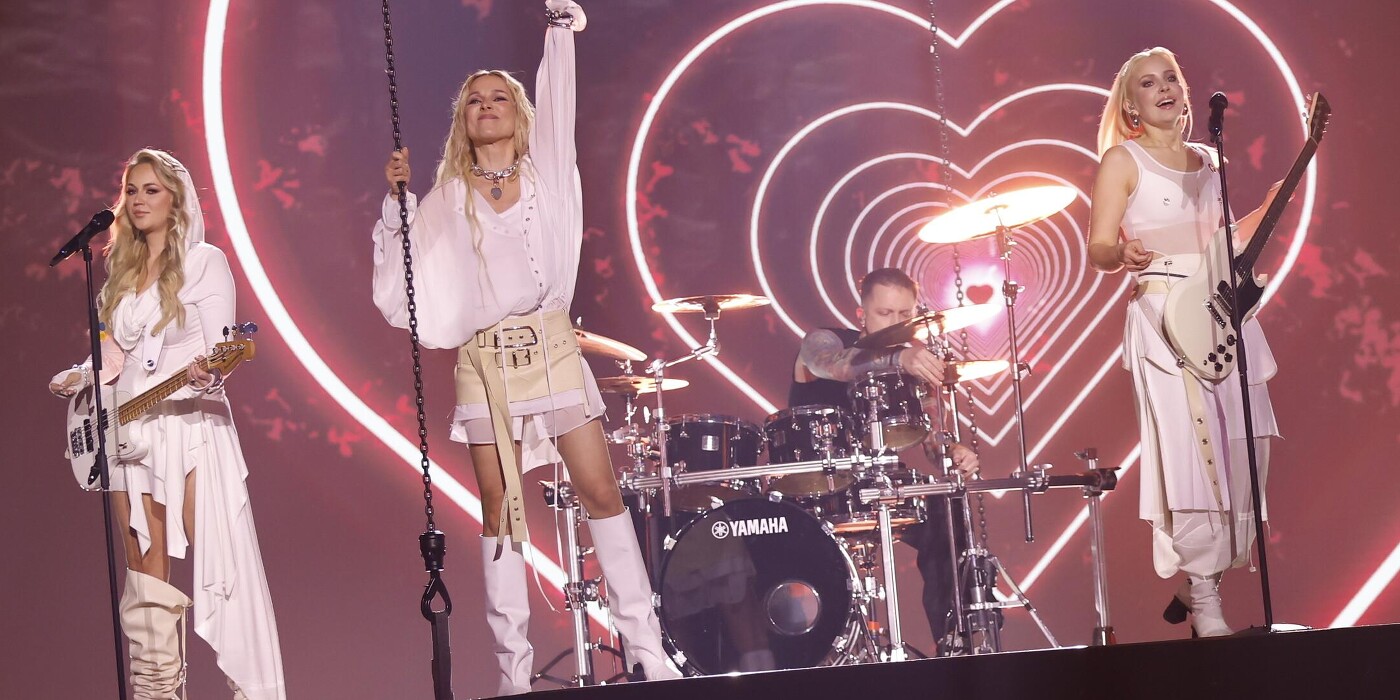
Vienna, beginning with Estonia. Among the hosts of this year’s edition
of Eesti Laul was Karl “Korea” Kivastik of 5miinust fame, and among the twelve
artists were previous Eurovision contestants Getter Jaani, Stig Rästa
and Victor Crone, as well as serial second-place finisher Ollie, who had just
missed out on the ticket to Eurovision on two previous occasions. Three artists,
including Ollie, qualified for the all-televote superfinal, and by the smallest
of margins, the chosen song was “Too Epic to be True”, performed by Vanilla
Ninja, whom Eurovision fans will recognise from their previous appearance
at the contest, when they represented Switzerland in 2005.
 |
| Vanilla Ninja will make their Eurovision return this year for Estonia. |
Denmark also chose its Eurovision entry on Saturday
night, through the traditional national final Dansk Melodi Grand Prix. The
line-up was strong this year, with the eight competing artists whittled down to
three in the superfinal, which included last year’s Danish representative
Sissal with her new song “Infinity”. The results were decided based on the
votes of a 20-member jury as well as a public televote. Eventually, the winner
of both the jury vote and televote was Søren Torpegaard Lund. The song
he will be taking to Vienna is called “Før vi går hjem” and will be the
first Eurovision entry to be performed in Danish since 2021.
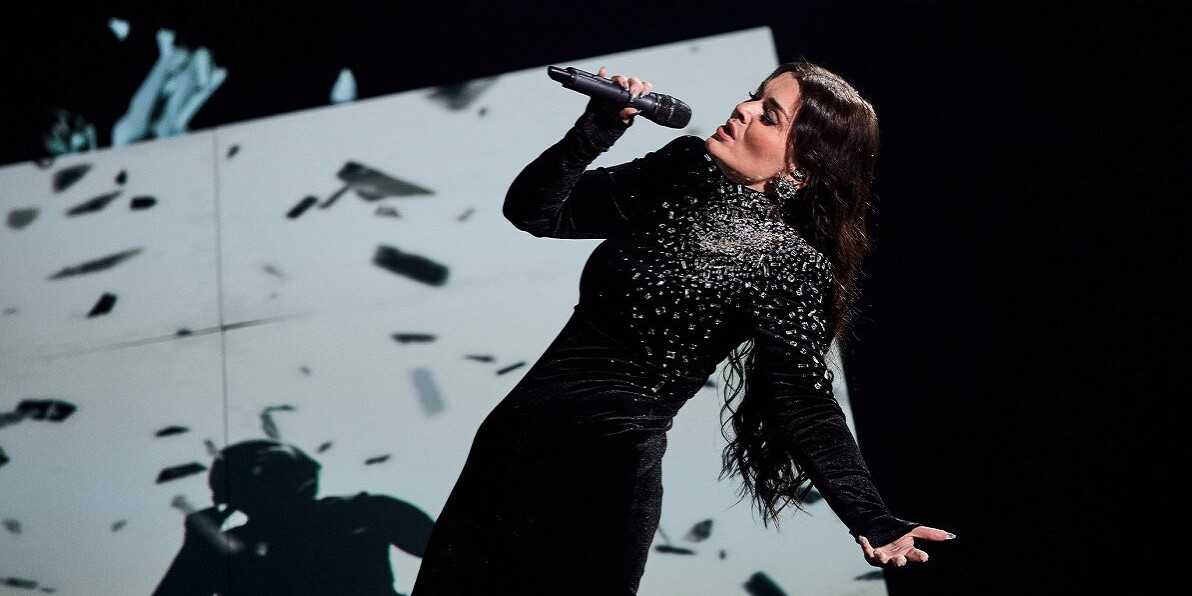
Rounding out Saturday’s selections was Latvia, with
Supernova reaching its conclusion after two semi-finals took the field down
from 24 to 10. Among the finalists was Robert Ox, who represented Latvia at
Eurovision in 2022 as part of Citi Zēni. The results were decided by a
combination of jury votes and televotes – though the two sets of points were largely
identical, and delivered another unanimous result: Atvara will be
representing Latvia at Eurovision with the song “Ēnā”.
Excitingly, this is the second consecutive Latvian Eurovision entry to be
performed in the Latvian language, after Tautumeitas last year. Atvara will be
hoping to continue the country’s qualification streak.
 |
| Atvara won this year's edition of Supernova in Latvia. |
This Sunday saw Croatia select its song for Eurovision
2026, with Dora returning as the country’s national selection. Twenty-four
artists participated, with sixteen qualifying for the final based solely on
public voting. In the final, the results were determined by two juries
(one national, one international) and a public televote, which was given the
same weighting as both juries combined. Winning both sections of the vote, and
off to Vienna in May, was five-piece group Lelek (not to be confused
with Leléka)
with “Andromeda”. The group finished as runners-up to Marko Bošnjak
in last year’s edition of Dora, and will hope to best his result by qualifying
for the final in Vienna.
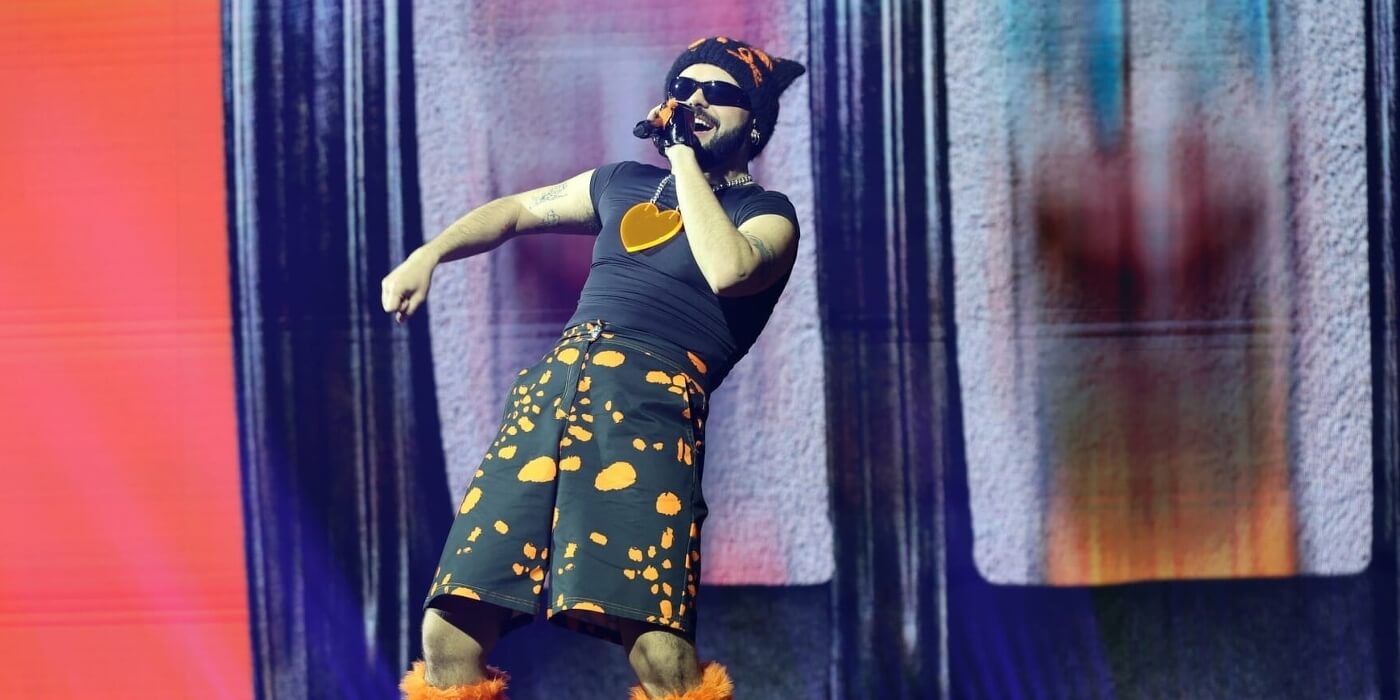
Finally, Greece has chosen its Eurovision entry
through national final Sing for Greece. In a format revised from last year’s
Ethnikós
Telikós, the competition consisted of two semi-finals, each featuring fourteen
competing entries, with results decided entirely by public vote and seven songs
in each semi-final qualifying for the final. The final results were decided by
a combination of a Greek jury, an international jury and a public televote, and
among the contestants were Ethnikós Telikós runner-up Evangelia and Greek representative
at Eurovision 2013 Koza Mostra. The winner was Akylas, who will
be performing his song “Ferto” at this year’s contest. Akylas managed to
earn the maximum possible number of points by winning all three sections of the
vote.
 |
| Akylas won a landslide victory in this year's Greek national final. |
Whilst that’s all we have so far in terms of competing
entries, preliminary rounds have been continuing in Lithuania and Sweden, where
the third heat of Melodifestivalen has just concluded. National final season
isn’t showing any sign of slowing down in the near future either – this week,
we are waiting for Flemish broadcaster RTBF to announce this year’s Belgian
representative, as well as looking forward to host country Austria choosing its
entry through the country’s first national final in quite a few years.
Finally, I must briefly discuss this week’s news that the Eurovision
Live Tour has been cancelled, less than a month after it was originally announced.
Given the situation that the contest finds itself in at present, I don’t think it
takes a genius to work out what “unforeseen challenges” the EBU might have
encountered whilst trying to put the show together. A combination of low ticket
sales, high prices and a line-up considered by some to be disappointing was
never going to be particularly conducive to a continental arena tour.
Personally, whilst it’s a shame that it looks like there isn’t going to be a
special event to mark the seventieth anniversary of the contest, I think the EBU
focussing on one thing at a time won’t be a bad thing – and hopefully the idea
of a tour will be able to get off the ground properly at some point in the
future.
This post has (thankfully) been much shorter than my last
news round-up, but I think I’ve still covered quite a lot, and there will
definitely be much more to discuss in the coming weeks, so do stick around to
hear my thoughts. I’m really enjoying engaging a bit more with the national
final songs this year, and have been sharing a few of my opinions over on
Bluesky, so follow me over there if you want to find out what I think!


Comments
Post a Comment